
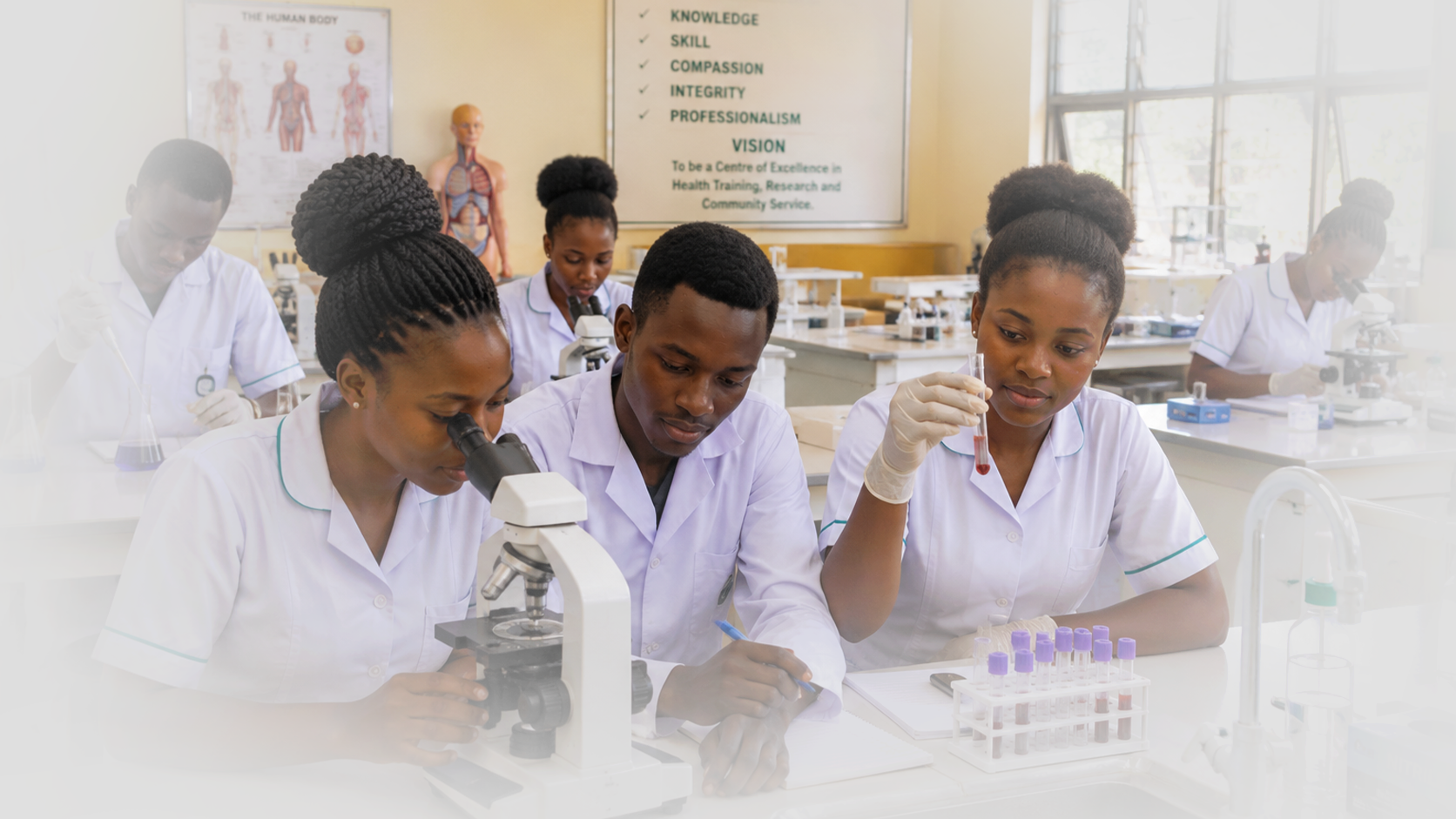
Diploma in Medical Laboratory Technology in Uganda: Course Details, Duration, Fees, and Career Opportunities
The Diploma in Medical Laboratory Technology (DMLT) is a professional healthcare program designed to train skilled laboratory technicians who play a critical role in diagnosing diseases and supporting medical treatment. In Uganda’s growing healthcare sector, this program is highly valued due to the increasing demand for accurate laboratory services in hospitals, clinics, and diagnostic centers.
If you are searching for “Diploma in Medical Laboratory Technology in Uganda”, “laboratory diploma course duration”, or “medical lab training fees in Uganda”, this article provides a complete and SEO-optimized guide.
What is Diploma in Medical Laboratory Technology?
The Diploma in Medical Laboratory Technology is an advanced medical science program that equips students with both theoretical knowledge and practical skills in laboratory diagnostics. It focuses on disease detection through laboratory testing of blood, body fluids, tissues, and other clinical samples.
Students are trained to support doctors by providing accurate test results that guide diagnosis and treatment.
Core Competencies Include:
- Clinical laboratory testing and analysis
- Hematology and blood grouping
- Microbiology and parasitology
- Clinical chemistry and diagnostics
- Laboratory equipment operation and maintenance
- Quality control and laboratory safety
Duration of Diploma in Medical Laboratory Technology
The Diploma in Medical Laboratory Technology in Uganda typically runs for:
- 3 Years (6 Semesters)
Training Structure:
- Year 1: Foundation sciences including anatomy, physiology, chemistry, and basic laboratory techniques
- Year 2: Core laboratory sciences such as hematology, microbiology, and clinical chemistry
- Year 3: Advanced diagnostics, clinical specialization, industrial training, and research work
Students also complete clinical internships in hospitals and diagnostic laboratories to gain hands-on experience.
Semester Breakdown
Semester 1
- Introduction to Medical Laboratory Science
- Human Anatomy and Physiology
- Basic Chemistry
- Laboratory Safety and Ethics
Semester 2
- Introduction to Hematology
- Microbiology Basics
- Clinical Chemistry Fundamentals
- Sample Collection Techniques
Semester 3
- Parasitology
- Immunology
- Instrumentation in Laboratory Science
- Medical Laboratory Procedures
Semester 4
- Advanced Hematology
- Advanced Microbiology
- Clinical Pathology
- Quality Assurance in Laboratory
Semester 5
- Diagnostic Techniques
- Research Methods in Laboratory Science
- Disease Pathology
- Laboratory Management Systems
Semester 6
- Industrial Training / Internship
- Final Research Project
- Practical Examinations
- Professional Competency Assessment
Fee Structure for Diploma in Medical Laboratory Technology
The fee structure varies depending on whether the institution is public or private.
Estimated Tuition Fees:
- Public institutions: UGX 1,800,000 – 2,800,000 per year
- Private institutions: UGX 2,800,000 – 4,800,000 per year
Additional Costs May Include:
- Registration fees
- Examination fees
- Laboratory practical charges
- Uniforms and lab coats
- Internship supervision fees
💡 Students are advised to confirm exact fees from their chosen institution before enrollment.
Entry Requirements
To enroll in the Diploma in Medical Laboratory Technology, applicants typically need:
- Uganda Advanced Certificate of Education (UACE) or equivalent
- Principal passes in:
- Biology
- Chemistry
- Subsidiary passes in Mathematics or Physics (varies by institution)
- Uganda Certificate of Education (UCE) with science credits
Career Opportunities After Graduation
Graduates of this program can work in various healthcare and diagnostic environments such as:
- Government and private hospitals
- Diagnostic and research laboratories
- Health centers and clinics
- NGO health programs
- Blood banks and pathology labs
Job Roles Include:
- Medical Laboratory Technologist
- Laboratory Technician
- Diagnostic Analyst
- Research Laboratory Assistant
Graduates may also progress to:
- Bachelor of Medical Laboratory Science
- Specialized laboratory certifications
- Advanced biomedical research studies
Why Study Diploma in Medical Laboratory Technology?
- High demand for laboratory professionals in Uganda
- Strong practical and clinical training
- Essential role in disease diagnosis and treatment
- Good job stability and career growth
- Pathway to advanced medical degrees